Getting a Boat Ready for Hurricane Season in the Lowcountry
Good storm prep is mostly decisions made early: where the boat will be, how it is secured and what comes off it.
October 15, 2026 · 4 min read
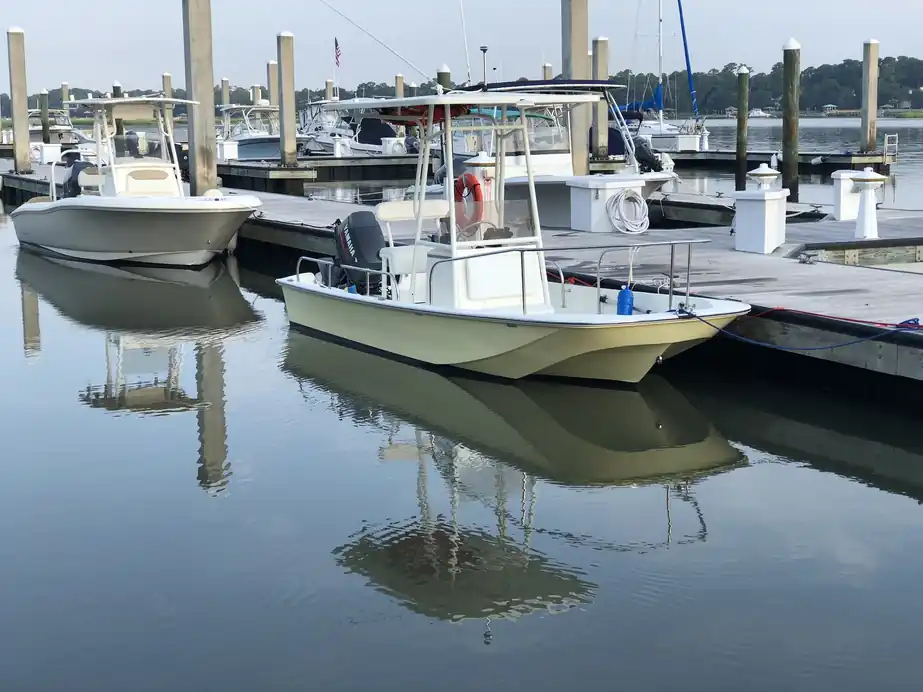
Storm prep is easiest when it is done before anyone is worried about a storm. Lowcountry boat owners know the pattern: a system shows up on the map, everyone calls the yard, and the options shrink by the hour. A plan made earlier gives you more choices and less to do under pressure. This article covers general good practice. Your marina, insurer and local officials set their own requirements, so check with them for your situation.
Decide where the boat will be
The biggest decision is whether the boat stays in the water, goes on a lift, comes out on a trailer or gets hauled to a yard. A boat on a trailer or in a protected spot is generally in a better position than one tied in open water, but each place has its own risks: wind, surge, falling trees and debris. Think it through in advance and have a second choice ready.
If you plan to haul, book early. Yards fill up as a storm nears, and a call placed well before the forecast gets you a place in line. If you plan to keep the boat in a slip, know in advance what your marina expects from you.
Lines, chafe and slack
Boats that stay in the water need good lines and a lot of them. A few points hold for most setups:
- Use heavier line than you do day to day, and double it up at the cleats
- Protect every spot where a line touches the boat or a piling with chafe gear
- Leave enough slack for the water to rise and fall
- Tie the boat so it stays centered and away from pilings and neighboring boats
- Check that cleats and fittings are solid and well bedded before you trust them
Lines fail at the chafe point more often than at the knot. Walk the boat and look at every place where a line rubs.
Covers, canvas and loose gear
Wind turns a boat cover or bimini into a sail. Take off canvas, curtains, antennas and anything that can catch air or tear loose, and store it ashore. Do the same with cushions, electronics, fishing gear and anything else that is not bolted down. Less on deck means less to lose and less windage on the hull.
That includes T-tops and hardtops. If yours is bolted on, check that the fasteners are tight and the frame is solid. Cracks or looseness around a base are worth fixing before the season starts, not after.
Drain plugs, bilge and a photo record
Rain is a threat on its own. A boat that fills with rainwater sits lower and is harder to keep safe. Make sure drain plugs are in or out as your boat requires, scuppers and drains are clear, and the bilge pump works. Keep the battery that runs the pump charged and secured. On a trailer boat, pull the plug so rain drains out and stays out.
Fuel and other fluids are worth thinking about too. Talk to your marina or mechanic about how full to leave the tank and how to secure it, since the best answer depends on your boat.
Before a storm, take clear photographs of the whole boat: hull, deck, console, engine and any existing damage. Dated photos give you a baseline to compare against afterward, and they help when you talk to an insurer or a repair shop.
Inspecting after a storm
When the weather clears, look the boat over carefully before you use it. Check the hull and waterline for gouges, scrapes and cracks. Look at rub rails, cleats, the transom and anywhere the boat could have hit a piling or another boat. Press on decks and sole areas to feel for spongy spots, and look in the bilge for water that should not be there.
Scrapes and chips in gelcoat may only be cosmetic. Soft spots, long cracks, and any water in a hull are not. Tucker Byrd's review says the yard pulled 13 gallons of water out of his hull and repaired the hole. If you find something like that, get the boat looked at before water spreads through the structure.
When to schedule a repair visit
Call a yard when you see a crack that runs across a stress area, a soft or flexing deck, a damaged transom or damage that exposes the laminate underneath. Custom Marine Finishes handles boat repair, fiberglass repair and transom repair, and the process starts with a wash and an inspection for cracks, chips and soft spots. See boat repair on our services page for what that covers.
If your boat took a hit, call (843) 304-2798 or reach us through the contact page, and describe what you found. Photos help.
Custom Marine Finishes, (843) 304-2798
Call (843) 304-2798More articles
Choosing Bottom Paint for a Boat Kept in Lowcountry Water
The right antifouling depends on where your boat sits and how long it stays wet, not on which can has the best label.
When Gelcoat Chalking Is a Detail Job and When It Needs Repair
Dull, chalky gelcoat often comes back with the right detailing, but cracks and gouges need real repair work.