Ceramic Coating or Wax for Your Boat: What Each One Does
Both protect gelcoat, but they behave very differently once the boat is back in the sun and salt.
October 15, 2026 · 3 min read
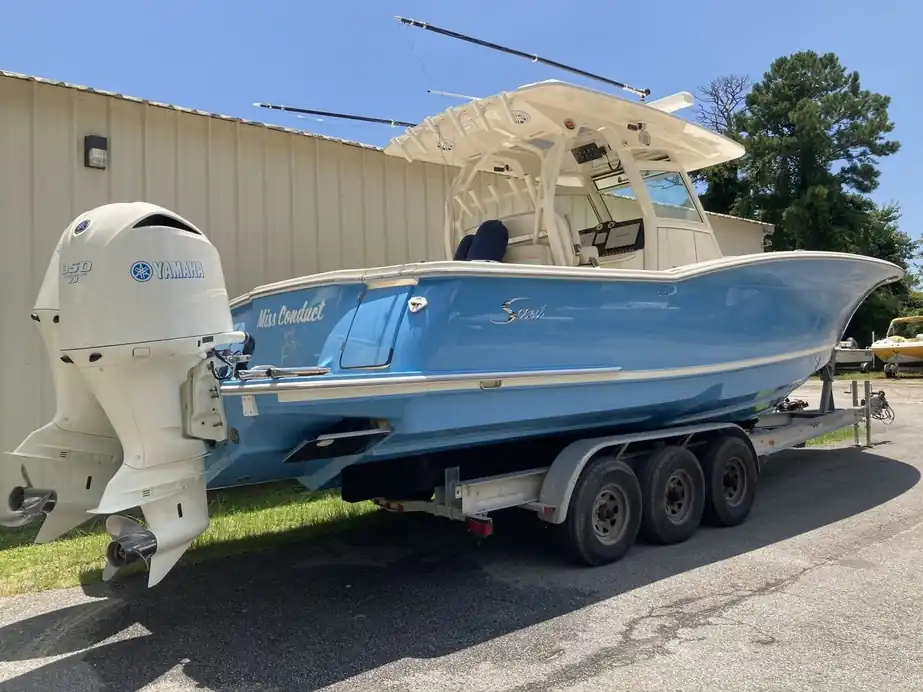
Every boat owner eventually asks whether wax is enough or whether ceramic coating is worth the extra step. Both protect the surface, but they work in different ways, and the right choice depends on how you use the boat, how much washing you will actually do and how long you want the finish to last.
How wax works on a boat
Wax sits on top of the gelcoat as a thin sacrificial layer. It adds gloss, makes water bead for a while and gives the sun something to chew on besides the gelcoat. It is easy to apply, it is forgiving, and a boat owner can do it in a weekend.
The tradeoff is that wax wears off. Sun, washing, salt and heat all thin it, and once it is gone the gelcoat is exposed again. Waxing has to be repeated through the season to keep it working. If you enjoy the work and the boat is small, that routine is perfectly reasonable.
How a ceramic coating is different
A ceramic coating is a liquid that bonds to the surface and hardens into a thin, durable film. It is not a thicker wax. Custom Marine Finishes is a certified Glidecoat Pro center, and the coating it applies is rated 9H and hydrophobic. Water beads and sheets off, and dirt and salt rinse away more easily than they do from bare gelcoat or worn wax.
A few practical details are worth knowing before you book:
- The coating cures in 8 to 12 hours, so the boat needs to stay protected through that window.
- Wash the boat every 2 to 4 weeks to keep the coating clean and working.
- Glidecoat Pro work from the yard comes with an 18-month guarantee certificate.
- A graphene coating is available as another option if you want to compare.
Ask at drop-off what the cure window means for your launch day, so you are not planning a weekend on the water around a coating that is still setting.
Prep decides how the coating looks
A coating locks in whatever is under it. If the gelcoat is oxidized, scratched or chalky when the coating goes on, those flaws are sealed under a hard layer instead of polished away. This is the part of ceramic work that gets overlooked, and the reason it should be paired with real detailing.
At the yard, that means wet sanding when appropriate, compounding, polishing and oxidation removal first, then the coating. Craig's review describes this combination on his Sportsman Heritage 231: the white haze gone, no scratches or gouges, and everything protected with ceramic coating. Michael Wilson mentioned in his review that he planned to come back for the ceramic coating after his repair was finished, which is a sensible order of operations.
Which one fits your boat
Wax is a fair fit if you wash and wax your own boat, you like doing it, and the finish is already in good shape. It costs little to start and you can change products whenever you like.
A ceramic coating suits boats that sit in the sun and salt a lot, boats that are hard to keep clean, and owners who would rather spend weekends fishing than waxing. Because it is hydrophobic, the hull rinses off more easily, and that matters on a boat that goes from the water to the trailer and back every week.
Be honest with yourself about the washing. The 2 to 4 week schedule is part of the deal. A coating does not mean the boat cleans itself or never needs attention. It means the work you do is lighter and the finish holds up longer when you do it.
What a coating cannot do
No coating fixes a crack, a chip or a faded patch. It sits on the surface, and if the surface is damaged, the damage shows through. A coating also will not stop growth on the bottom of the hull, which is a job for antifouling paint. Treat it as protection for the topsides, deck and console gelcoat.
If the boat has stress cracks or gouges, repair comes first, and the coating goes over a sound finish. That order gives the best result.
Getting a quote
Boat detailing at Custom Marine Finishes starts at $59.50 per foot, and the exact quote comes after an inspection. See marine coatings on our services page for what each option involves. To compare wax, Glidecoat Pro and graphene for your boat, call (843) 304-2798 or ask through the contact page, and we will recommend what fits the way you use it.
Custom Marine Finishes, (843) 304-2798
Call (843) 304-2798More articles
Choosing Bottom Paint for a Boat Kept in Lowcountry Water
The right antifouling depends on where your boat sits and how long it stays wet, not on which can has the best label.
When Gelcoat Chalking Is a Detail Job and When It Needs Repair
Dull, chalky gelcoat often comes back with the right detailing, but cracks and gouges need real repair work.